Best Non Toxic Cooking Utensils - When it involves cooking, most of us wish to prioritize our wellness and health. However did you know that the kitchenware and utensils we use can also impact our wellness? Lots of traditional kitchen devices have unsafe chemicals that can seep into our food and create a range of health and wellness concerns. This is where non-toxic food preparation tools can be found in. In this blog post, we will certainly discover the importance of making use of safe kitchenware and utensils in your kitchen area. We will certainly look into the risks associated with toxic pots and pans and recognize non-toxic materials for kitchenware and tools. In addition, we will certainly discover some terrific non-toxic cooking equipment alternatives readily available in the market today, along with much safer choices for food storage. So if you're aiming to make your cooking area a much safer place, read on to uncover whatever you need to learn about non-toxic cooking utensils.
From Around the Web: 20 Fabulous Infographics About non toxic cooking utensils
Understanding the Value of Safe Food Preparation Tools
Using kitchen tools made from safe materials is critical for promoting a much healthier kitchen environment. By picking safe cooking utensils, you can prevent unsafe chemicals from leaching into your food throughout the food preparation process. This is particularly vital for people with chemical level of sensitivities. Safe utensils likewise make sure that your food continues to be unpolluted and secure to consume. In addition, choosing safe utensils reduces the danger of long-lasting wellness effects. Make the button to wooden, silicone, or stainless steel cooking utensils for plenty of benefits in your cooking area.
Why Safe Kitchenware Matter?
Safe pots and pans is vital for maintaining a safe and healthy kitchen area. It avoids unsafe chemicals from contaminating food and decreases the risk of poisonous substances seeping right into your meals. By utilizing non-toxic products, you can guarantee that your food continues to be without any kind of possibly dangerous substances existing in kitchenware made from harmful materials.
The Threats Connected With Poisonous Cooking Equipment
Cooking with hazardous pots and pans poses substantial health risks. When exposed to high temperatures, harmful cookware can release hazardous chemicals that may infect food. Products like Teflon can emit hazardous fumes when overheated, better boosting the dangers. Extended direct exposure to these hazardous materials can have adverse effects on lasting health and wellness. By using non-toxic choices such as wooden utensils, stainless steel pots and pans, or silicone spatulas, you can reduce the danger of chemical contamination in your food. Ensure to prioritize safety in your cooking area to shield on your own and your liked ones.
Determining Safe Materials for Kitchenware and Tableware
Stainless steel cookware and tools, with their durable and safe buildings, are a secure selection for healthy and balanced food preparation. Glass cookware provides a safe material alternative that doesn't leach unsafe chemicals into food. Cast iron kitchenware, when appropriately experienced, offers a lasting and safe cooking surface area. Non-toxic ceramic cookware, as a more secure option to typical non-stick coverings, makes sure a much healthier cooking experience. Copper pots and pans, when lined with stainless-steel, can additionally be a risk-free selection for your kitchen. With these different alternatives offered, it's less complicated than ever to determine safe materials for your cookware and tools.
10 Best Mobile Apps for best non toxic cooking utensils
Stainless-steel-- A Safe Choice
When it concerns safe cooking tools, stainless steel is a safe and popular selection. These tools are made from materials that do not release harmful chemicals right into your food, ensuring a healthier food preparation experience. Stainless steel is also understood for its longevity, as it can withstand high temperatures and last for many years. On top of that, these tools are simple to clean and preserve, making them sensible for active kitchen areas. With their convenience and environmentally friendly nature, stainless steel food preparation utensils are an outstanding choice for any type of kitchen.
The Benefits of Glass Kitchenware
Glass kitchenware supplies various advantages that make it a must-have in any type of kitchen. First of all, glass is non-reactive, making sure that your food stays devoid of harmful chemicals. Secondly, glass pots and pans offers even warmth circulation, allowing for completely prepared meals whenever. Additionally, glass kitchenware is flexible and can be utilized for cooking, food preparation, and food storage. It is likewise dishwasher risk-free and aesthetically attractive. With its many advantages, glass cooking equipment is an excellent option for any type of cooking lover.
Using Cast Iron - Benefits And Drawbacks
Using cast iron cookware in the kitchen has its pros and cons. One of the primary benefits is its outstanding warmth retention, which makes sure also cooking. Additionally, cooking with cast iron can include a percentage of iron to your food, offering possible health and wellness benefits. However, it is very important to keep in mind that cast iron cookware calls for appropriate flavoring and upkeep to avoid rust. One more factor to consider is the weight of actors iron, which may be a disadvantage for some individuals. In spite of these variables, utilizing actors iron kitchenware can cause delicious and high-grade food preparation results.
Checking Out Safe Kitchenware Options
Ceramic cooking equipment provides a much safer non-stick option to typical layers, promoting a much healthier kitchen. Glass and stainless steel are added non-toxic pots and pans products that make sure peace of mind when food preparation for enjoyed ones. Exploring these safe options enables safe and pleasurable food preparation experiences, while also guaranteeing that food is free from dangerous chemicals. Investing in safe cooking equipment offers plenty of advantages, making it an essential selection for a safer and much healthier kitchen.
Ceramic-- A Safer Non-Stick Choice
Conventional non-stick cooking equipment can launch hazardous chemicals when heated up. Ceramic cookware gives a much safer non-stick alternative that does not release toxic chemicals. It is long lasting and simple to tidy, making it a fantastic financial investment for any type of kitchen area. Additionally, ceramic food preparation tools are offered, supplying a non-toxic option for stirring and serving food. Investing in non-toxic cooking utensils and pots and pans is essential for creating a much safer and much healthier kitchen setting.
Why Choose Copper Cookware?
Copper cookware supplies exceptional warm conductivity when lined with stainless-steel. It enables precise temperature control throughout cooking, including a stylish touch to your cooking area. With correct maintenance, non-toxic copper cooking equipment can last for generations, creating memorable cooking experiences for unique occasions.
Silicone Utensils - Are They Safe?
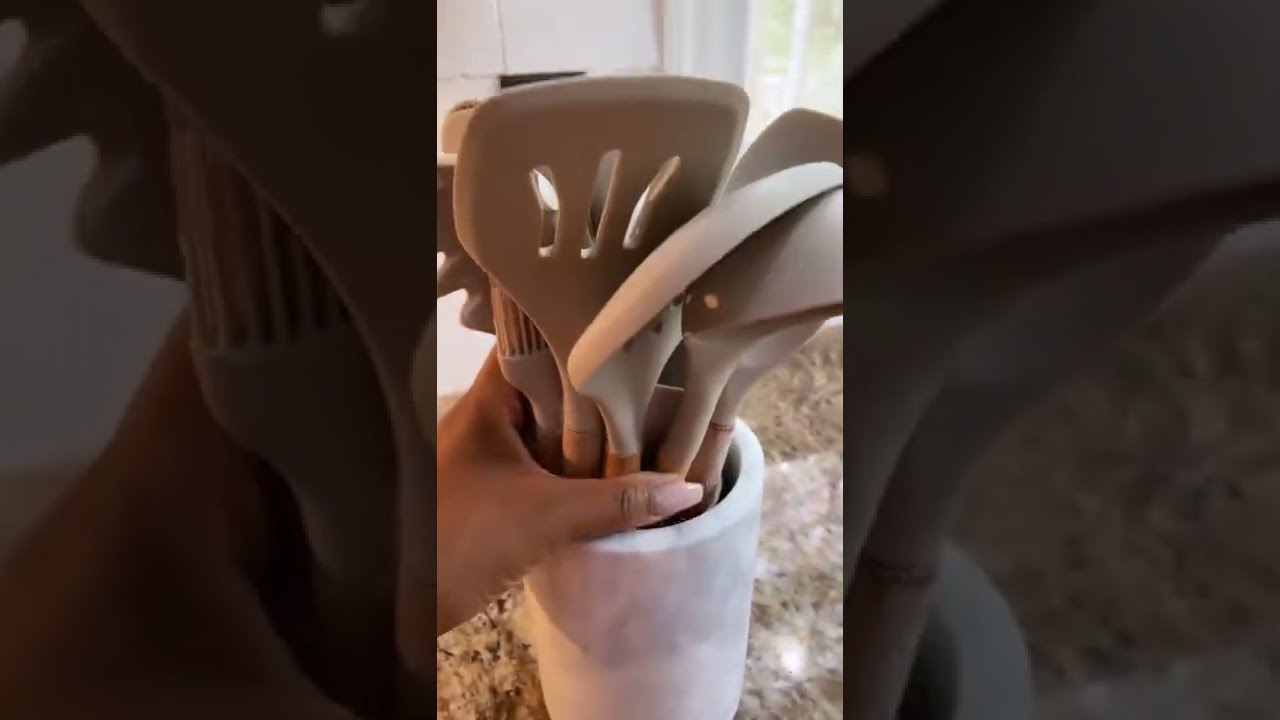
Silicone utensils are a risk-free selection for your kitchen. Made from food-grade silicone, they are heat-resistant and non-toxic. These utensils do not seep dangerous chemicals right into your food. They are likewise durable, dishwasher-safe, and very easy to clean. Stand up to high temperatures without melting or warping, and their non-stick buildings make food preparation and cleaning a wind.
Products to Avoid in Food Preparation Hardware
When choosing kitchen area utensils, it is very important to know which products to avoid. Plastic tools must be stayed clear of as they can launch toxic chemicals when heated. Similarly, nylon tools can melt and launch dangerous substances. Nonstick cooking equipment, such as Teflon, need to additionally be prevented because of the poisonous chemicals utilized in their covering. Wooden utensils with manages can harbor bacteria and are tough to clean. Rather, pick stainless-steel utensils that are resilient, non-reactive, and easy to clean.
The Dangers of Plastic Hardware
Plastic utensils pose numerous risks, including the launch of harmful chemicals like BPA right into food, especially when exposed to high heat. Thawing plastic can infect food with hazardous materials. In addition, plastic tools are quickly scratched, providing a breeding ground for bacteria. They are not dishwasher-safe, making it hard to efficiently eliminate food particles. Additionally, their non-biodegradable nature adds to environmental contamination. It is crucial to take into consideration much safer options such as wood, silicone, or stainless steel tools.
Why Nylon Tableware are a No-No

Nylon utensils must be stayed clear of for a number of reasons. To start with, they have a low warmth resistance and can melt when exposed to heats, launching damaging chemicals right into your food. Additionally, nylon utensils are not as resilient as other materials such as wooden or stainless-steel utensils, resulting in a shorter life-span. They can additionally scratch nonstick cookware, compromising their nonstick finishing. Last but not least, nylon utensils have a tendency to absorb stains, smells, and flavors, which can influence the preference of your recipes.
The Issue with Nonstick/Teflon Kitchenware
Nonstick cooking equipment, such as Teflon, can release harmful chemicals like PFOA when heated. These chemicals have actually been connected with wellness issues including the inability to conceive and cancer cells. Additionally, the nonstick coating can quickly scrape, revealing food to these poisonous products. Unique treatment is called for when making use of Teflon pots and pans, as high warm, steel utensils, and unpleasant cleaners can damage the finishing. It is recommended to select safer alternatives such as stainless steel or cast iron cooking equipment.
Much Safer Alternatives for Food Storage Space
Relocate away from plastic containers, which can leach hazardous chemicals into food. Instead, opt for safe, long lasting, and dishwasher-safe glass containers. Glass containers are more eco-friendly, as they are recyclable and lower plastic waste. They do not absorb stains, smells, or tastes, keeping food fresh and unpolluted. In addition, glass containers are flexible and can be utilized in the stove, microwave, and freezer.
Relocating Far From Plastic Containers
Plastic containers, typically used for food storage, pose various risks. When revealed to warm or acidic foods, they can launch harmful chemicals like BPA. Furthermore, they are vulnerable to staining, bending, and absorbing food smells. Plastic containers are not as resilient as alternatives such as glass, stainless steel, or silicone, leading to regular replacements. Furthermore, they add to plastic pollution as they are often not recyclable or biodegradable. Switching to more secure materials ensures a healthier and more lasting cooking area.
Glass - A Green and Safe Selection
Glass containers are a prominent selection for eco-conscious individuals searching for non-toxic kitchen utensils. Made from natural products, glass containers are food-safe and sturdy. They are heat-resistant and do not take in discolorations or odors, making sure that your stored food continues to be fresh and unpolluted. Glass containers are likewise more eco-friendly as they can be recycled, recycled, and do not contribute to plastic waste. With their clear presence, glass containers make it very easy to determine your saved food. They are versatile and can be utilized for numerous kitchen storage requires, from leftovers to dish preparation.
Do BPA-Free Products Mean 100% Security?
Are BPA-free items completely secure? While they are safer than those including BPA, it is necessary to keep in mind that BPA is just among several potentially damaging chemicals in cookware and utensils. Seek safe alternatives or ones made from natural products like wood or bamboo. Constantly prioritize safety and security.
Verdict
To ensure a more secure and much healthier cooking area, it is critical to invest in non-toxic food preparation utensils. Standard cooking equipment and tools can seep unsafe chemicals into your food, posing long-lasting wellness risks. Safe products like stainless-steel, glass, and ceramic offer a safer choice without jeopardizing on performance. Avoid products like plastic, nylon, and nonstick pots and pans, which can release toxic substances when heated up. In addition, take into consideration changing to environmentally friendly and safe choices for food storage space, such as glass containers. When selecting non-toxic cooking utensils, search for reputable brand names that prioritize safety and top quality. Bear in mind, just because a product is classified "BPA-free" doesn't assure 100% security. best non toxic cooking utensils Prioritize your health and wellness and well-being by making the switch to safe cooking tools today.